 11
Published: November 12, 2026
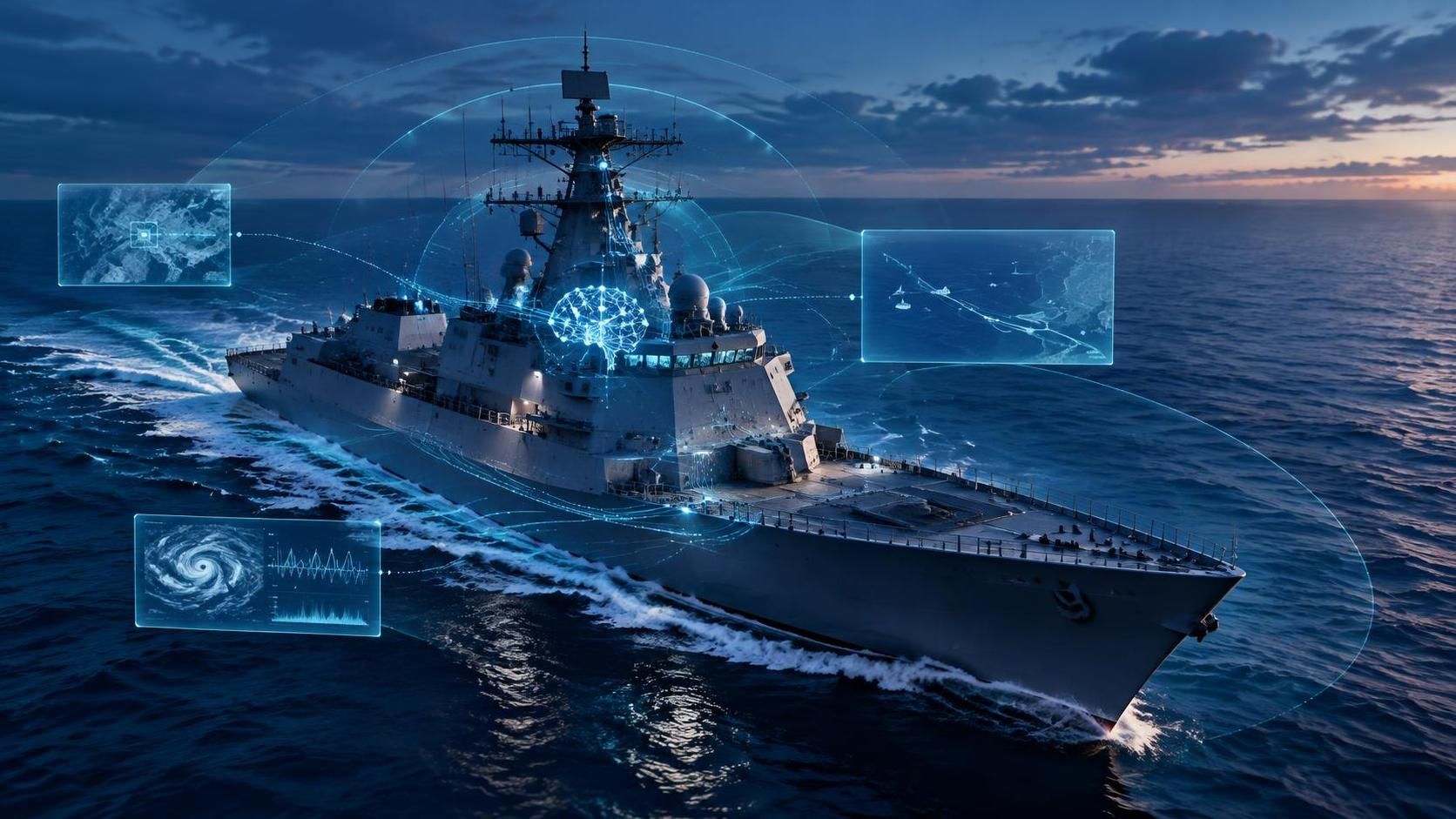
The US Navy and Marine Corps have designated GenAI.mil, the Pentagon’s generative AI platform, as their enterprise generative AI tool. According to reporting from Executive Gov in May 2026, the Air Force and Space Force have done the same. GenAI.mil launched in December 2025 and is meant to give military, civilian and contractor staff a secure way to use AI for unclassified work.
GenAI.mil is a platform run by the US Department of Defense, which the current administration calls the Department of War. The department announced it with Google Cloud’s Gemini for Government as the first of several frontier AI capabilities to be housed on it. The platform was built by the AI Rapid Capabilities Cell within the Office of Research and Engineering, as MeriTalk reported.
Tools on the platform are certified for Impact Level 5, a government standard for controlled unclassified information. That means GenAI.mil is meant for administrative and unclassified tasks, not classified operations. ExecutiveGov describes typical uses such as summarizing handbooks and generating risk assessments to support planning.
ExecutiveGov’s May 21, 2026 report said the Navy and Marine Corps, along with the Air Force and Space Force, have designated GenAI.mil as their enterprise generative AI platform. It also said the platform surpassed one million unique users in its first two months and now offers Google’s Gemini for Government, xAI for Government and OpenAI’s ChatGPT.
The same report noted that the Pentagon’s chief digital and AI office created a GenAI.mil Task Force, a 180-day pilot to embed AI specialists in operational units. The report also said Navy leaders planned to explore how AI could support the Golden Fleet initiative at the 2026 Navy Summit.
Google describes its role in a customer case study published with the Chief Digital and AI Office. It says the platform was stood up in 54 days, serves more than three million personnel, and that staff have created over 100,000 custom AI agents for daily workflows. These figures come from Google and the department’s own account, so treat them as vendor and official claims rather than independent measurements.
The questions to follow are how the Navy uses the platform in practice, whether the task force’s pilot leads to wider adoption, and how the department handles security, oversight and training as more AI vendors join. Details can change quickly, so check official Department of Defense and Navy announcements for the latest. For related coverage, browse our AI News and AI Policy & Ethics sections.